Diesel Export Ban As Skyrocketing Prices Raise Fears Of 2008-Style Shock.
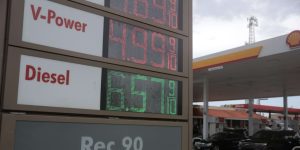
Reports have surfaced today stating that Senate Majority Leader John Thune is “open to exploring” the possibility of a diesel export restriction. This comes as the national average price of diesel, an industrial fuel, has surpassed $6.27 per gallon, according to AAA.
*THUNE: I’m ‘open to considering’ a diesel export ban—zerohedge (@zerohedge) September 15, 2026–
Yesterday, senior commodity analyst Mike McGlone of Bloomberg Intelligence issued a warning about the possibility of an energy shock similar to the one in 2008, and his remarks followed suit.
Bloomberg cites Thune as saying, “We’ll be looking at any proposal that is a viable solution.” Thune was responding to a query from reporters and said that exporting what is now produced in the country could be a viable option. “If that would take pressure off of prices, you know I’m open to exploring it.”
The globe is currently facing a refinery crisis due to the Russia-Ukraine war and the chaos in the Gulf area; a broad US diesel ban would have the opposite effect, lowering wholesale prices on the Gulf Coast while driving prices even higher outside.
Latest data from the Energy Information Administration indicates that over the four weeks ending September 4, U.S. distillate exports averaged approximately 1.7 million barrels per day. The amount impacted would be contingent upon the extent of the prohibition, as distillates encompass diesel and heating oil.
“Commodity spikes tend to sow the seeds of their own reversal, and diesel’s first-ever surge above $6 a gallon may echo gasoline’s 2008 experience,” McGlone warned Monday in response to the spike in industrial fuel costs, according to Bloomberg Intelligence. On September 11th, the average price of gasoline in the United States was about $4.30 per gallon, which is just over 4% higher than its peak in 2008, a year that contributed to the Great Recession.
March saw JPMorgan’s head of commodities research, Natasha Kaneva, lay out six potential policies that the Trump administration might use to rein in oil prices.
Some have already been put into action, such as the Jones Act waivers and the SPR releases. The possibility of a federal fuel-tax suspension being considered as a policy measure to rein in soaring fuel costs has been brought up in the context of recent discussions on export limits.





Stocks Are Crashing, VIX Spikes As Option-Players Panic-Buy Protection
Trouble: VIX is back above 30… Read moreBancorpSouth Bank (BXS): Watch List Financial Stock,UP-Date 4/22/19 …and its put-buying not call-buying this time… Read moreKeeley Teton…
Read More about Stocks Are Crashing, VIX Spikes As Option-Players Panic-Buy Protection