BY SRH
You Can Listen To The Article
Inside the White House: Joe Kent Sheds Light on Miller, Wiles, and Decision-Making Before the Iran War
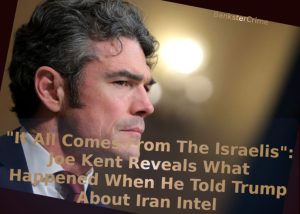
In a candid new account, former National Counterterrorism Center director Joe Kent has revealed tensions and power struggles inside the Trump White House in the lead-up to conflict with Iran. According to Kent, the appointment of Stephen Miller as President Trump’s chief of staff, following Susie Wiles, marked a key shift—but both advisers faced challenges balancing strong pro-Israel voices with hard intelligence from the nation’s top security agencies.
Miller’s Reluctance
- Aware of the Risks: Kent states that Stephen Miller “knew going into the Iran war that this was bad,” suggesting Miller had serious concerns about the potential fallout of military escalation.
- Internal Debate: Despite personal hesitancy, Miller’s influence was often overshadowed by outside interests and the pressure to align with political priorities rather than intelligence assessments.
The Wiles Era: Pro-Israel Influence
- Giving a Platform: Susie Wiles, Miller’s predecessor, reportedly ensured that pro-Israel advocates had unprecedented access to President Trump. These voices frequently shaped the president’s views, sometimes outweighing briefings from national security professionals.
- Silencing Dissent: Kent claims that anyone who brought “bad news” or offered intelligence that contradicted the desired narrative was dismissed and told not to return for policy meetings. This suggests an environment where uncomfortable truths were often ignored in favor of preferred agendas.
Impact on Decision-Making
- The result, according to Kent’s account, was an administration where key foreign policy and military decisions were heavily filtered through trusted ideological and political allies, sometimes at the expense of nuanced intelligence.
- With Iran, these dynamics created a volatile situation—where warnings about conflict risks were muted and pro-Israel strategy took center stage.
Lessons and Warnings
This account highlights the complexity—and danger—of allowing critical national security decisions to be swayed more by political interests than by balanced analysis or dissenting expert opinions.
Transparency, honest debate, and willingness to face hard truths remain essential for wise leadership—especially at the highest levels of power.