BY SRH
Iran’s Way of Threatening
Iran often employs a mix of political, military, and psychological tactics to issue threats regionally and internationally. These may include:
- Missile tests and military exercises as demonstrations of strength.
- Proxy operations via allied groups in neighboring countries.
- Cyberattacks targeting adversaries’ infrastructure.
- Verbal warnings from government officials or military leaders.
- Closing or threatening to close strategic waterways like the Strait of Hormuz, impacting global oil supply.
- Symbolic moves such as revealing new weapon systems.
These methods are used to deter adversaries, influence diplomatic negotiations, or respond to sanctions and perceived threats.
America’s Gulf allies have raised the possibility of an Iranian military ground invasion of their territories in the event of a major renewed US bombing campaign, which President Trump has threated to restart against Iran after the November midterm elections.
It’s an oddly specific, and perhaps unlikely, threat being communicated by Gulf officials, and was reported on in the pages of The Wall Street Journal on Monday. Tehran is only too happy to signal it’s ready to inflict massive counter-pain on US and allied assets across the region.
The publication cites “informed sources” who say Islamic Republic officials have been warning that this is among current options being mulled to escalate and spread the war beyond, into the broader region.
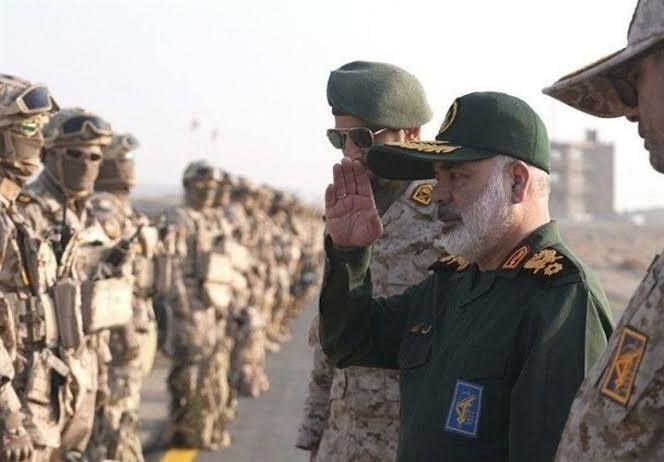
IRGC operatives could penetrate neighboring countries as part of efforts to both deter a US and assault and ‘punish’ Washington and its frontline allies, the report indicates.
Such a scenario would take things a big step further, also as the potential for resumption of Iranian ballistic missile and drone attacks on Gulf energy sites remains on the table.
Kuwait has especially been under assault, with even its civilian airports targeted in the last few summer rounds of tit-for-tat between US and Iranian forces.
Amid a heightened state of Iranian alert, the WSJ writes that “Satellite images show Iran is strengthening sensitive locations, including nuclear sites and border areas, to make them more resilient to attacks.”
“The government is also preparing Iranians for renewed war, sending paramilitary forces to read war stories to kindergartners, advertising training in firing shoulder-mounted antiaircraft missiles and holding rallies,” the report continues.
This also comes amid a well-publicized push of the Islamic Republic to arm and train broader elements of the Iranian citizenry to join paramilitary efforts which work in tandem with the armed forces.
Read our: Iran’s Army Chief Offers $30K Reward For Kill Or Capture Of American Troops
“In an attempt to deter a potential attack, some Iranian officials have hinted that their forces could conduct land incursions into neighboring countries, according to people familiar with the warnings,” WSJ observes further. “Iran’s top national-security official, Mohsen Rezaei, said on Sunday that Tehran could target the United Arab Emirates, which has largely escaped being attacked since late spring, as well as data centers and internet cables across the region.”
State media sources have been circulating ‘warning messages’ like the following:
However, so far there’s been a pause of sorts since Trump backed off a decision to resume major bombing raids in July. Instead, Iran has steadily ramped up assaults on international vessels seeking to transit the Strait of Hormuz, with October being a record in terms of frequency of these attacks.
Each side is not only ‘waiting out’ the other, but seeking to impose as much pain on the other as possible, hoping for a defeat, or for the other to give in to serious concessions and make compromise.
Crude prices have reacted to the likelihood of more serious escalation vibes in the air and potentially around the corner…
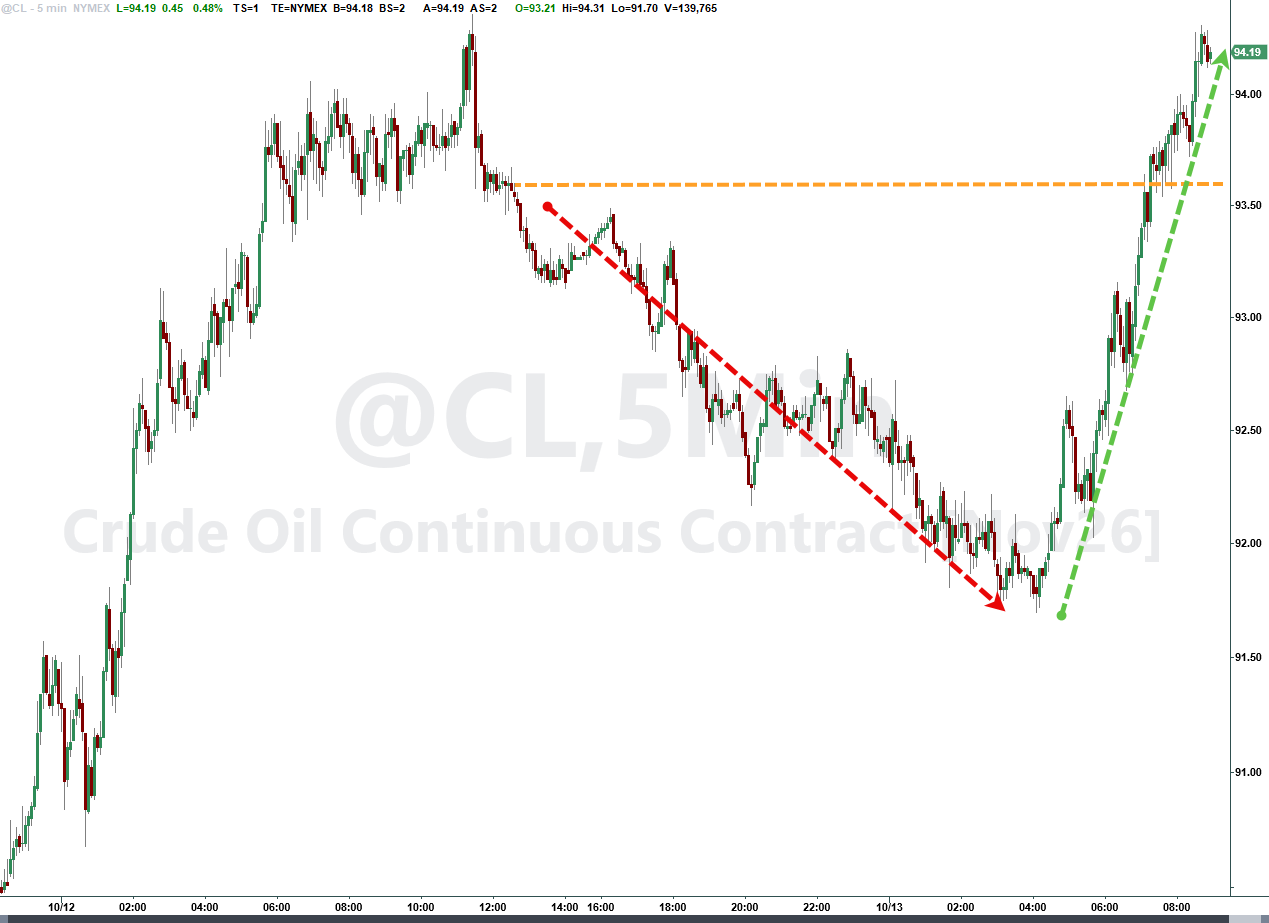
Who will blink first remains the big open-ended question, also as Washington is belatedly worried about getting bogged down in an other Mideast ‘forever war’.
Source: ZeroHedge